For most AI systems, an unanswered question is a failure. For VectorAutomate, it’s a feature — and now, it’s also an analytics signal.
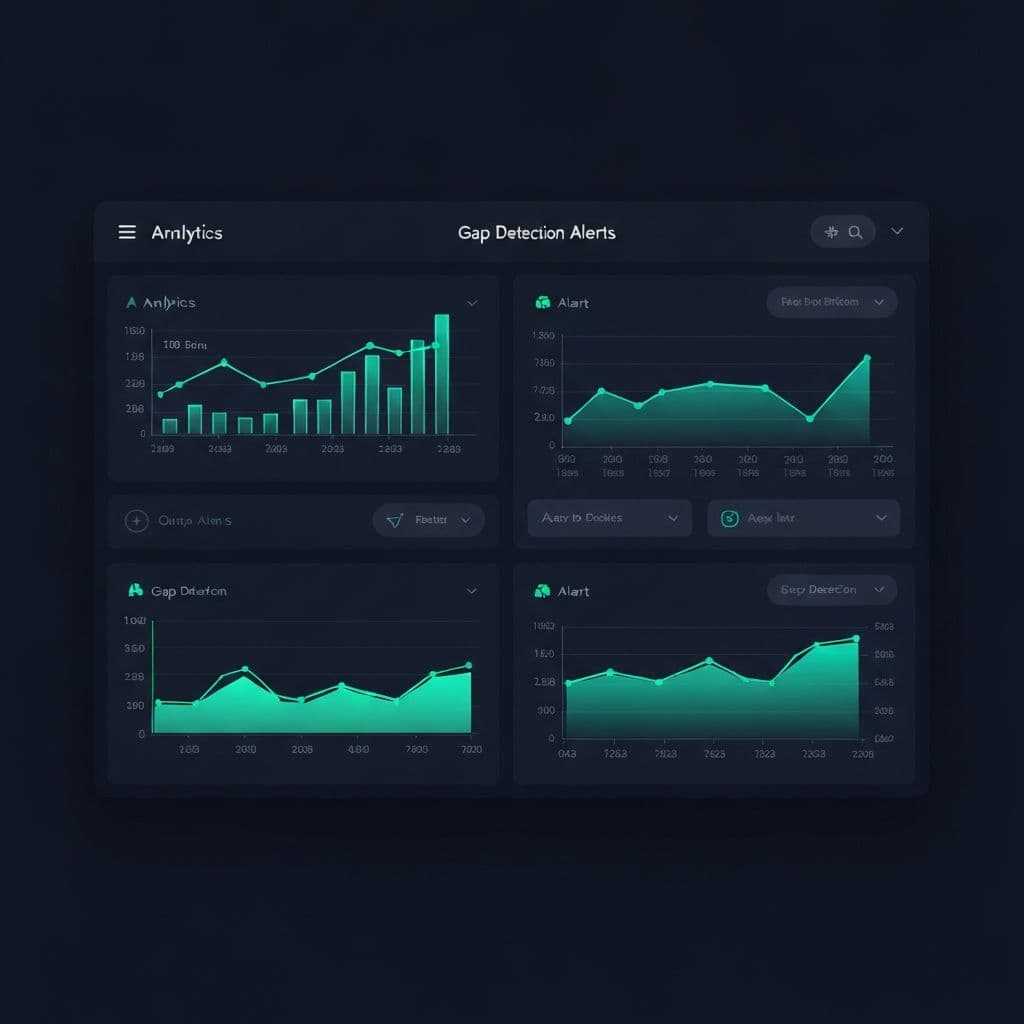
Today we’re launching Knowledge Gap Analytics, a new module inside VectorAutomate that systematically surfaces gaps in your technical documentation based on real-world service interactions.
How It Works
Every time a technician asks VectorAutomate a question and the system refuses to answer — because the underlying documentation doesn’t support a confident, cited response — that refusal is logged, categorized, and scored.
Over time, these refusals form a heatmap of your documentation blind spots. You can see which equipment models generate the most refusals, which error codes lack troubleshooting coverage, and which procedures are missing entirely.
From Reactive to Proactive
Traditional documentation improvement is reactive. Someone files a complaint, a technician escalates an issue, or a warranty claim reveals a gap. By then, the damage is done.
Knowledge Gap Analytics changes this. Instead of waiting for failures, you’re continuously monitoring the delta between what your technicians need to know and what your documentation actually covers.
The Dashboard
The new analytics dashboard provides three primary views:
Gap Frequency — Which topics generate the most AI refusals? This view ranks documentation gaps by volume, helping you prioritize which manuals, procedures, or knowledge base articles to update first.
Impact Analysis — Which gaps are most correlated with SLA breaches, repeat visits, or escalation to senior engineers? Not all gaps are equal. This view helps you focus on the ones that cost the most.
Trend Tracking — Are your documentation improvements working? Track refusal rates over time, segmented by equipment model, error category, or technician cohort.
Built for Technical Documentation Teams
Knowledge Gap Analytics isn’t designed for general-purpose content teams. It’s built for the technical writers, service engineers, and documentation managers who maintain OEM manuals, service bulletins, and internal knowledge bases.
Each gap report includes the exact query that triggered the refusal, the documents that were searched, and the confidence scores that fell below threshold. This gives your documentation team the precise context they need to close the gap.
What’s Next
In future releases, we’ll be adding automated draft suggestions — where VectorAutomate proposes new documentation entries based on patterns in the refusal data. But for now, the focus is on visibility. You can’t fix what you can’t see.
Knowledge Gap Analytics is available today for all VectorAutomate Enterprise customers. Contact your account manager to enable it, or request a demo to see it in action.